-min%20(1).svg)
If you're experiencing domestic violence, harassment, stalking, or threats, a protection order (commonly called a restraining order) can provide legal protection and help keep you safe. Washington State law allows you to petition the court for various types of protection orders depending on your situation. While the process may seem intimidating, a Washington protection order lawyer can guide you through the steps and help ensure your petition is properly filed.
Types of Protection Orders Available
Washington State offers several types of protection orders under RCW 7.105. As of July 2022, Washington consolidated most protection orders into one unified petition process, making it easier to seek protection.
Each order type addresses specific situations. For more detailed information about each type, you can review Washington State's protection order options.
Preparing to File Your Protection Order
Before you begin the filing process, proper preparation can strengthen your case and help you obtain the protection you need.
Gather Supporting Evidence
While evidence isn't required to file, it significantly strengthens your petition. Collect any documentation you have:
- Photos: Injuries, property damage, unwanted gifts, or messages.
- Written communications: Text messages, emails, social media messages, letters.
- Official records: Police reports, medical records, incident numbers.
- Witness information: Names and contact details of people who witnessed incidents.
- Documentation: Past protection orders, threatening voicemails, surveillance footage.
The more specific and detailed your evidence, the stronger your case becomes.
Make Important Decisions
- Your address: Protection orders are public records. Including your home address helps law enforcement carry out the order, but makes it publicly available. The court can still order the respondent to stay away from your home if you keep your address confidential.
- Immediate protection: If you're in immediate danger, you can request a temporary protection order that takes effect the same day you file, before the other person receives notice. Be prepared to explain immediately why you need protection.
- Safe technology: If filing online, use a device the abuser cannot access remotely. Consider using a library computer or a trusted friend's device.
#cta_start
Facing Domestic Violence or Harassment?
Hogson Law Office provides compassionate, confidential legal representation for individuals seeking protection orders in Washington State, helping you take action to keep yourself and your family safe.
#cta_end
Step-by-Step Filing Process
Washington has streamlined the filing process to make protection orders more accessible to people seeking safety.
Step 1: Complete Your Petition
You have three filing options in Washington:
- Online filing: Many counties offer online petition systems through the Washington Courts website or county court websites. The system asks questions in plain language and uses your answers to complete the forms. You can work in English or Spanish and save your progress.
- Print and complete: Download forms from the Washington Courts website, print them, and fill them out by hand. Forms are available in multiple languages.
- Courthouse assistance: Visit your local courthouse during business hours. Court clerks can provide forms, and many courthouses have victim advocates who help with completion at no charge.
Required documents include:
- Petition for Protection Order
- Confidential Information Form
- Law Enforcement Information Sheet
- Declaration supporting your petition
Step 2: Write a Detailed Statement

Your written statement is the most critical part of your petition. The judge only knows what you tell them in writing. There is no opportunity for the judge to research police records or investigate on their own.
Make your statement effective by:
- Describing specific incidents with exact dates, times, and locations
- Explaining what the respondent did or said in detail
- Including both recent incidents and establishing any pattern of behavior
- Describing how you felt threatened, harmed, or feared for your safety
- Explaining why you need protection now
Don't hold back details, thinking you can explain later. If you don't include an incident in your written statement, you may not have a chance to tell the judge about it at the hearing.
Step 3: File at the Courthouse
Submit your completed petition to the appropriate court. District courts and superior courts both handle protection order cases, though some order types (vulnerable adult and extreme risk) must be filed in the superior court.
Filing details:
- No filing fee: Washington doesn't charge a fee to file protection order petitions.
- Same-day review: Most petitions submitted before 11:00 AM are reviewed the same day.
- Electronic tracking: Many courts now allow you to track your petition's progress online.
The clerk will stamp your documents and provide copies for service on the respondent.
Step 4: Judicial Review and Temporary Orders
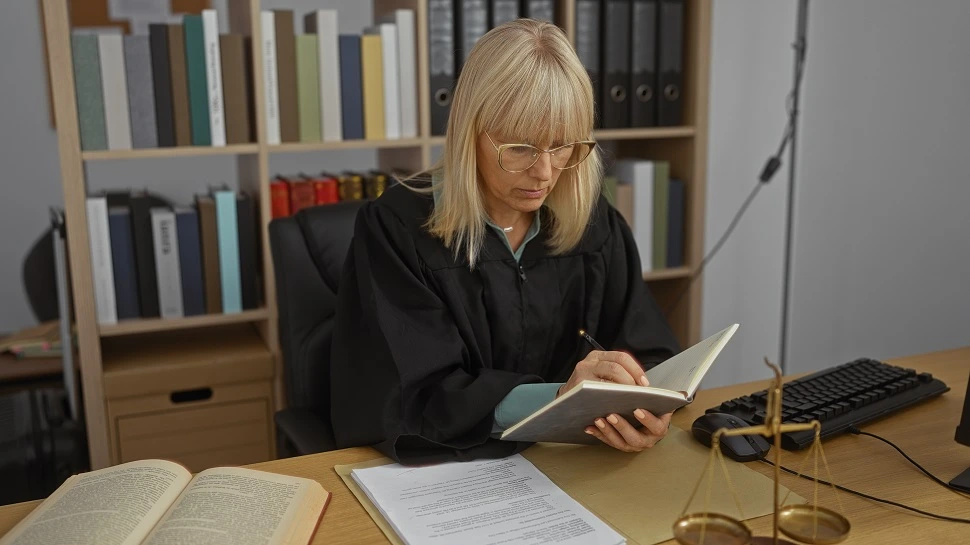
A judge reviews your petition and supporting evidence to determine if you meet the requirements for a protection order.
Three possible outcomes:
- Temporary order granted: The judge issues a temporary protection order effective immediately and schedules a full hearing within 14 days. The temporary order protects you until the full hearing occurs.
- Additional information needed: If you don't initially meet requirements, the court typically allows 14 days to file additional information or clarify your petition.
- Petition denied: If the judge finds you don't qualify for any type of protection order, they'll provide written reasons for the denial.
Temporary orders (also called ex parte orders) take effect without the respondent being present or notified first. This prevents them from intimidating you or avoiding service.
Step 5: Serving the Respondent
The person you're seeking protection from must be officially served with copies of your petition and any temporary order. This gives them notice of the allegations and the hearing date.
Service must occur at least five judicial days before the full hearing.
Service options in Washington:
- Law enforcement: Police or sheriff's deputies typically serve protection orders for free.
- Professional process servers: Private companies that specialize in serving legal documents.
- Trusted adult: Any adult not involved in the case (cannot be you or anyone protected by the order).
The server completes a proof of service form and files it with the court, confirming the respondent received the documents. Without proper service, the full hearing cannot proceed.
Attending Your Full Hearing

The full hearing determines whether you'll receive a final protection order that lasts for a fixed period, potentially up to five years, depending on the order type.
Hearing Format Options
Washington courts offer flexible participation:
- In-person: Attend the hearing at the courthouse.
- Video conference: Appear via Zoom or similar platform.
- Telephone: Call in to the hearing.
Free interpreters are available if needed. Your hearing notice includes detailed attendance instructions.
What to Expect
Both you and the respondent can present evidence and testimony. Come prepared with:
- All evidence you've gathered (photos, messages, documents)
- Witness testimony (people who saw or heard incidents)
- A clear explanation of why you need continued protection
- Responses to potential arguments the respondent might make
The hearing typically includes:
- Your testimony about what happened and why you need protection
- Presentation of documentary evidence and witness statements
- The respondent's testimony and evidence (if they attend)
- Judge's questions to clarify facts or timeline
- Legal arguments about whether the evidence meets requirements
Many respondents don't appear at hearings. If the respondent doesn't attend, the hearing proceeds without them based on your evidence.
The Judge's Decision

After hearing from both sides, the judge decides whether to grant a final protection order.
If granted, the order can:
- Prohibit contact directly or through third parties
- Require staying away from your home, workplace, school, or your children's school
- Order the surrender of firearms and prohibit the possession of weapons
- Restrict electronic harassment and monitoring
- Grant temporary custody of the children
- Require payment of court costs and attorneys' fees
- Include provisions for pets and property
- Order the respondent to treatment programs
Order duration varies by type:
- Domestic violence: One year minimum, can be permanent if children are involved.
- Sexual assault and stalking: Up to two years.
- Anti-harassment: Up to one year.
- Vulnerable adult: Up to five years.
If the judge denies the protection order, they must provide specific written reasons for the denial.
Renewing Your Protection Order

Protection orders can be renewed if you continue to need protection as the expiration date approaches.
When to File for Renewal
You can file a motion to renew your protection order at any time within 90 days before it expires. Don't wait until the last minute. Begin the renewal process at least 30 days before expiration to ensure uninterrupted protection.
Renewal Process
The renewal process is simpler than the original filing:
- File a motion explaining why you still need protection.
- The court schedules a hearing (unless the renewal is uncontested).
- Service on the respondent occurs at least five judicial days before the hearing.
- If uncontested and you're not seeking modifications, renewal may be granted based on your written motion alone.
Courts generally grant renewals when evidence shows continued risk, ongoing fear, or circumstances suggesting the respondent may resume threatening behavior. You don't necessarily need new incidents, as continued fear based on past behavior is often sufficient.
Secure the Protection You Need with Hogson Law Office
Your safety is too important to leave to chance. Hodgson Law Office provides experienced legal representation for individuals seeking protection orders in Washington State. We help you gather compelling evidence, complete paperwork correctly, and present effective testimony in court. Contact us today to discuss your situation and take immediate action to protect yourself and your family.
FAQ