-min%20(1).svg)
As a Spokane restraining order lawyer with over 20 years of experience helping Washington residents secure protection, I know how overwhelming it can be to navigate these legal options when you're feeling threatened or unsafe. A harassment order (anti-harassment order) protects against harassment from anyone, regardless of relationship. In contrast, a restraining order is used in domestic cases when one of the parties needs protection from abuse. Both provide legal protection but serve different situations.
Protection Orders in Washington State
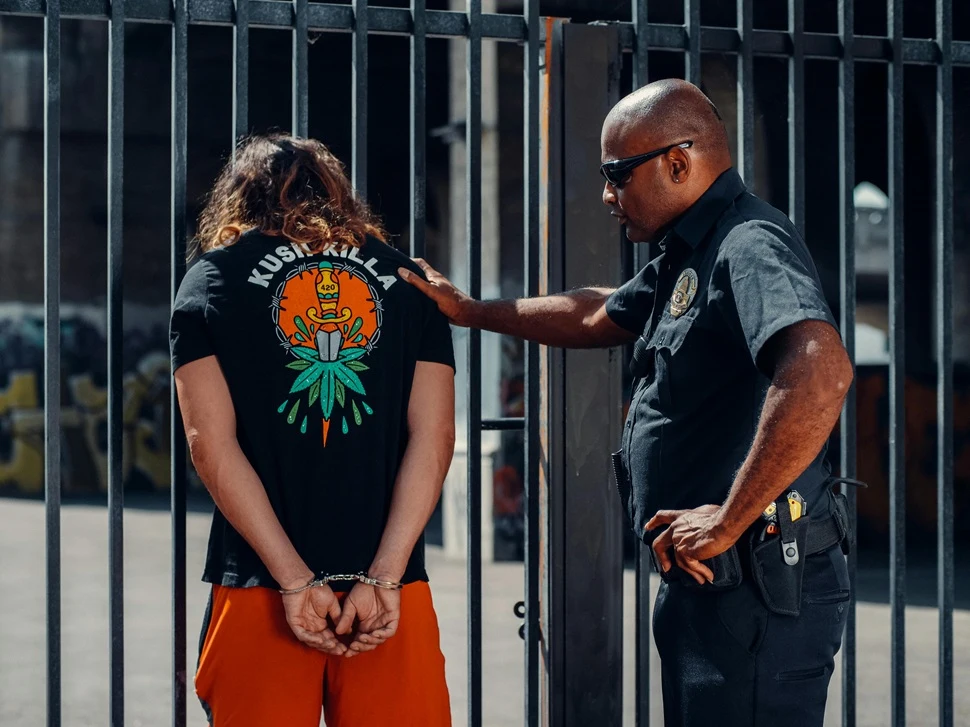
Washington State offers several types of protection orders designed to keep people safe from different forms of abuse and harassment. Choosing the right one depends on your relationship with the person threatening you and the type of behavior you're experiencing.
Washington recognizes that different types of threats require different legal remedies. Protection orders create legal boundaries with criminal consequences for violations. These court orders prohibit specific behaviors, such as making contact, approaching your home, workplace, or school. Law enforcement can arrest violators immediately. Selecting the correct order type ensures you get appropriate protection quickly.
Types of protection available:
- Domestic Violence Protection Order: For protection from intimate partners, family members, or household members who have committed domestic violence.
- Anti-Harassment Order: Protects against harassment from neighbors, coworkers, acquaintances, or strangers.
- Sexual Assault Protection Order: Available to victims of sexual assault regardless of relationship to the perpetrator.
- Stalking Protection Order: Specifically addresses stalking behaviors by any person.
- Vulnerable Adult Protection Order: Protects elderly or disabled adults from abuse or exploitation.
What Is a Harassment Order (Anti-Harassment Order)?
An anti-harassment order is Washington's legal tool for protecting people from harassment by individuals who aren't family members or intimate partners. This includes neighbors, coworkers, acquaintances, strangers, and online harassers.
Legal Definition and Scope
Anti-harassment orders provide legal protection against unlawful harassment from non-intimate partners. The law defines harassment as a knowing and willful course of conduct directed at a specific person that seriously alarms, annoys, or harasses without serving any legitimate purpose.
Important note: The behavior must be such that a reasonable person would suffer substantial emotional distress.
Who Can File
Anyone experiencing harassment from someone not covered by domestic violence laws can petition for an anti-harassment order. You don't need an intimate relationship or family connection with the harasser.
What Constitutes Harassment
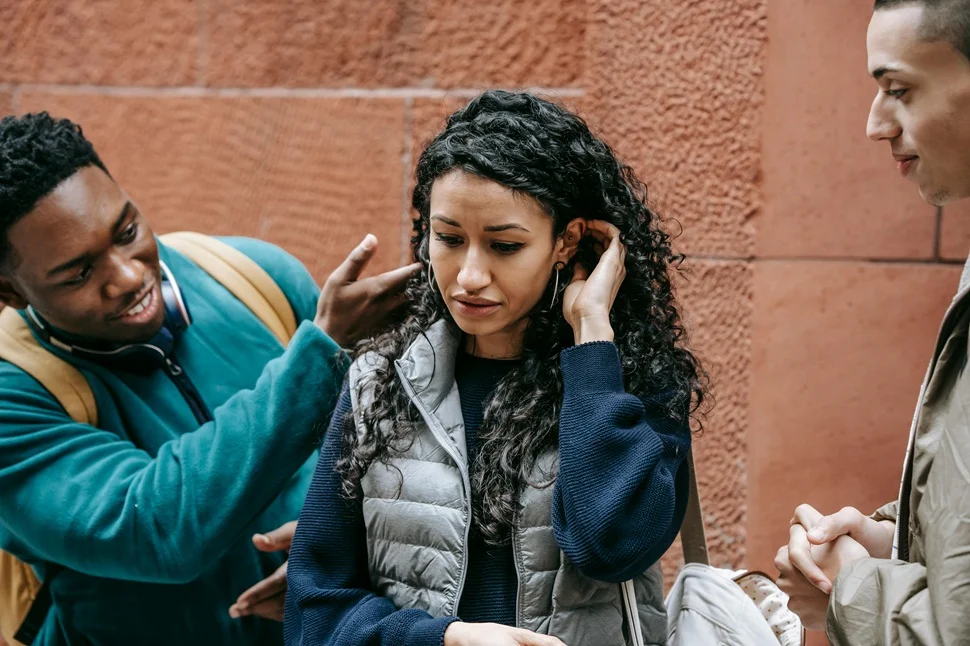
Courts recognize various forms of harassment:
- Repeated unwanted contact (calls, texts, emails)
- Following or surveillance
- Threats of harm or property damage
- Cyberstalking through social media
- Posting private information online (doxxing)
Duration and Protections
Anti-harassment orders typically last one year and can be renewed. Available protections include:
- No contact orders
- Stay away from home, work, or school
- Cease all harassing behavior
- Prohibition on surveillance or monitoring
Online and Social Media Harassment

Washington law specifically covers digital harassment. This includes threatening messages, social media stalking, creating fake profiles to harass, and sharing private images without consent.
Washington State takes online harassment seriously through several laws. RCW 9.61.260 criminalizes cyberstalking, making it illegal to use electronic communications to harass or intimidate. This covers repeated unwanted contact through any digital platform, including Facebook, Instagram, Twitter, TikTok, dating apps, gaming platforms, and email.
The state's harassment statute (RCW 9A.46.020) extends to electronic communications, meaning persistent digital contact meant to annoy, alarm, or harass is illegal. Courts recognize that online harassment can be just as harmful as physical stalking, causing severe emotional distress and fear for safety.
Digital evidence for protection orders includes:
- Screenshots of all threatening or harassing messages with timestamps
- URLs of fake social media profiles or websites created to harass
- Documentation of "doxxing" (sharing private information publicly)
- Records of unwanted contact across multiple platforms
- Evidence of tracking through apps or devices
- Witnesses who received or saw the online harassment
What Is a Restraining Order (Domestic Violence Protection Order)?
In Washington, when people say "restraining order", they usually mean a Domestic Violence Protection Order (DVPO). These protect victims from abuse by family members or intimate partners. DVPOs are available for protection from:
- Current or former spouses
- Current or former dating partners
- Parents of a child together
- Family members by blood or marriage
- Current or former roommates
Types of Abuse Covered
Domestic violence includes physical harm, bodily injury, assault, sexual assault, stalking, or inflicting fear of imminent harm. Property damage and threats also qualify.
Note: A single incident can be sufficient for a DVPO, unlike anti-harassment orders.
Available Protections
DVPOs offer the most comprehensive safety measures in Washington's protection order system. These orders can address every aspect of your life that needs protection from an abuser. The court can order:
- No contact provisions: Complete prohibition on calls, texts, emails, or third-party contact. Includes blocking on all social media platforms.
- Residential exclusion: Immediate removal from shared home regardless of lease or ownership. Temporary possession goes to the victim.
- Custody arrangements: Emergency custody orders for children, including pickup/drop-off protocols. Can include supervised visitation requirements.
- Weapon surrender: Mandatory surrender of all firearms and concealed carry permits. Prohibition on purchasing new weapons during the order duration.
- Pet protections: Custody and protection for family pets, often targeted by abusers. Can include veterinary care responsibilities.
- Financial support: Temporary spousal support and child support orders. Can include maintaining health insurance and paying certain bills.
Emergency Orders
Unlike anti-harassment orders, DVPOs offer emergency protection. Courts provide 24/7 access through local police departments or courthouses. Temporary orders last up to 14 days until a full hearing.
Duration
Permanent DVPOs typically last one year but can be renewed. The judge decides the specific duration based on circumstances and threat level.
Key Differences Between Harassment Orders and Restraining Orders
While both orders aim to protect you from harm, their differences determine which provides the right protection for your situation.
Evidence Requirements
Anti-harassment orders require showing a pattern of bad behavior over time. DVPOs can be granted for a single incident of domestic violence or credible threat of harm.
Court Process
Different forms and sometimes different courts handle each order type. Superior court typically handles both, but some counties have specialized domestic violence courts.
Enforcement and Violations
Both orders carry criminal penalties for violations. Violating either is a gross misdemeanor, but DVPO violations often face more serious prosecution.
Modification Process
Either party can request modifications. Anti-harassment orders require showing changed circumstances. DVPOs allow modifications for safety reasons at any time.
Impact on Other Legal Proceedings
DVPOs directly impact divorce and custody cases. Anti-harassment orders have less effect on family law matters but may influence criminal cases.
#cta_here
How to Obtain a Protection Order in Washington State
The process may seem daunting, but Washington courts help people seeking protection. Free assistance is available through advocates and legal aid organizations.
Step 1: Determine the Right Type of Order
Review your relationship with the person and the type of behavior you're experiencing. When in doubt, courthouse staff can guide you to the correct forms.
Step 2: Gather Evidence

Document everything to support your petition:
- Incident logs: Keep detailed records with dates, times, and descriptions of each incident. Include witness names if anyone saw what happened.
- Digital evidence: Save all text messages, emails, and voicemails in multiple formats. Screenshot social media posts before they can be deleted.
- Visual documentation: Take photos of any injuries, no matter how minor, and property damage. Date-stamp photos when possible.
- Official records: Obtain copies of police reports using case numbers. Medical records from injury treatments strengthen your case.
Step 3: File the Petition
Visit your county courthouse or access forms online. You'll need:
- Petition forms: Complete all sections thoroughly, as incomplete forms delay processing. Court clerks can help but cannot give legal advice.
- Detailed statement: Write a clear chronological account of abuse or harassment. Focus on specific incidents rather than general complaints.
- Supporting documents: Organize evidence in order of importance. Bring originals and make copies for the court file.
Step 4: Temporary Order Process
For DVPOs, request an immediate temporary order. The judge reviews petitions the same day for imminent danger situations.
Step 5: Service of Papers

Law enforcement serves the respondent with court papers. This puts them on notice about the hearing date and temporary restrictions.
- Safety planning: Consider staying with friends or family during the service period. Change your routine, as the other party may react badly to being served.
Step 6: Prepare for the Full Hearing
Your hearing typically occurs within 14 days. Prepare by:
- Evidence organization: Create a binder with tabs for different types of evidence. Bring three copies of everything — for you, the judge, and the opposing party.
- Practice your testimony: Write key points, but don't read verbatim in court. Focus on facts rather than emotions when describing incidents.
- Support system: Bring a trusted friend for moral support, even if they're not testifying. Consider having an attorney or advocate represent you.
With proper preparation and documentation, most protection order requests are granted. Remember that seeking protection shows strength, not weakness, and the court system exists to help keep you safe.
What Happens After You Get a Protection Order?
.webp)
Obtaining the order is just the first step. Using it effectively and maintaining your safety requires ongoing attention.
Keep Multiple Copies
Have certified copies at home, work, in your car, and with a trusted friend. Provide copies to:
- Workplace contacts: Give copies to security, HR, and reception so they can enforce the order. Include a photo of the restrained person if possible.
- Children's locations: Schools, daycares, and after-school programs need copies to protect your children. Meet with administrators to discuss safety protocols.
- Residential security: Provide copies to apartment managers, HOA security, or trusted neighbors. They can call the police if they see the restrained person.
Document All Violations
If the defendant violates the order:
- Immediate action: Call 911 even for "minor" violations like texts or driving by your home. Every violation establishes a pattern for prosecutors.
- Evidence preservation: Screenshot messages before blocking the sender, save voicemails to multiple devices. Write down details while they are fresh in your memory.
- Official documentation: Always request police report numbers and follow up to get copies. These reports are crucial for renewal or criminal prosecution.
Safety Planning

Work with victim advocates to create a comprehensive safety plan:
- Daily routines: Take different routes to work, shop at new stores, and change your schedule. Predictability makes you an easier target.
- Home security: Install cameras, motion lights, and better locks. Consider a security system that alerts police automatically.
- Digital safety: Change all passwords, check for tracking apps on devices. Use privacy settings on all social media accounts.
Renewal Process
- Timing matters: File renewal paperwork at least 30 days before expiration. Courts get busy, and you don't want gaps in protection.
- Document reasons: Include any violations, continued threats, or reasons you still fear the respondent. Judges need current justification for extensions.
Modifying Orders
Request modifications through the court when circumstances change:
- Life changes: Moving, a new job, or your children's school changes require order updates. Orders must reflect current addresses for enforcement.
- Custody adjustments: Changes in parenting plans may need protection order modifications. Work with the family court to coordinate both orders.
Criminal Consequences

Violating a protection order is a gross misdemeanor in Washington. Penalties include:
- First offense: Mandatory arrest, up to 364 days jail, $5,000 fine. Judges rarely dismiss these charges even if the victim requests it.
- Repeat violations: Felony charges with up to 5 years in prison.
A protection order is only effective when properly enforced and followed. Stay vigilant about your safety and never hesitate to report violations — your life may depend on taking every threat seriously.
Take Action to Protect Yourself Today
Both harassment orders and restraining orders serve important but different purposes in Washington State. The legal process might seem overwhelming, but you don't have to navigate it alone. Help is available from attorneys, advocates, and support services.
Hodgson Law Office has been providing family law services to Spokane and Washington residents for over two decades. We've helped countless individuals obtain the protection they need to feel safe again. Contact us today for compassionate, experienced legal support in securing your protection order.
Not Sure Where to Start? Call Us for Help.
The first step is always the hardest. Hodgson Law Office's compassionate restraining order attorneys walk you through every option and help you choose the strongest protection for your situation.
FAQ
Can I get a protection order for online harassment?
Yes, Washington law covers cyber-harassment, including social media threats, digital stalking, and online intimidation. Save all digital evidence, including screenshots, URLs, and timestamps.
Do I need a lawyer to file for a protection order?
You can file without an attorney, but legal assistance helps in complex cases or when the other party has representation. Free legal aid may be available through community organizations.
What if my harasser lives in another state?
Protection orders are valid nationwide under federal law (Violence Against Women Act). Other states must enforce Washington orders, and violations anywhere carry criminal charges.
Can I drop a protection order once it's issued?
Only the court can terminate a protection order. You must file a motion explaining why you want it dismissed. Judges carefully review these requests for safety concerns.
Will getting a protection order affect custody of my children?
DVPOs often include temporary custody provisions. Courts prioritize child safety and may restrict the restrained person's access. Long-term custody requires separate family court proceedings.