-min%20(1).svg)
Divorce is difficult for any family, but for military families, it presents distinct challenges that civilian courts don't always recognize or address adequately. If you're a service member or military spouse facing divorce, working with an experienced Washington military divorce attorney who understands these unique issues can make a significant difference in protecting your rights and securing a fair outcome.
Unique Challenges in Military Divorces
Divorce in military families introduces complications that civilian divorces don't typically involve. The presence of frequent deployments, the potential for reassignment to different locations, and military-specific benefits and entitlements can dramatically change the approach to a divorce case. These factors require advanced knowledge and careful attention to ensure both parties receive fair treatment under the law.
Here's a breakdown of the key areas where military divorces differ from civilian ones and what courts often overlook.
Division of Military Pensions and Benefits
One of the most significant differences in military divorces is how military pensions are divided. Under federal law, specifically the Uniformed Services Former Spouses' Protection Act (USFSPA), military pensions are treated as divisible property in a divorce.
How Military Pension Division Works
The USFSPA allows states to treat military retirement pay as marital property subject to division, but several important nuances apply:
- Only pensions earned during the marriage can be divided.
- A military spouse must have been married for at least 10 years while the service member served in the military to be eligible for direct payments from the Defense Finance and Accounting Service (DFAS).
- The 10/10 rule determines whether payments are made directly by DFAS or by the retiree.
This law allows a former spouse to receive a portion of the military pension, but it doesn't guarantee the same distribution a civilian spouse might expect in a non-military divorce. The division depends on state law, the length of the marriage, and the overlap between the marriage and military service.
Survivor Benefit Plan Considerations

Beyond the pension itself, the Survivor Benefit Plan (SBP) provides income to a surviving spouse if the military retiree passes away. The SBP is often part of the divorce settlement but requires careful attention to ensure it's properly incorporated into the divorce agreement.
Many military members agree to continue paying for survivor benefits for an ex-spouse, but this must be documented in the divorce decree and properly elected through military channels. Without proper documentation, a former spouse may lose these benefits entirely.
Impact of Deployments on Custody and Visitation
Military deployments add a significant layer of difficulty to custody and visitation arrangements. When a parent in the military is deployed, maintaining a standard visitation schedule becomes impossible, which can affect both the parent-child relationship and court orders.
Temporary Custody During Deployment
Washington courts recognize that deployments create unique circumstances requiring flexibility. When a service member is deployed, courts may issue temporary custody orders that:
- Grant the other parent primary custody during deployment.
- Specify what happens to parenting time upon return.
- Address communication with the deployed parent.
- Outline make-up time after deployment ends.
The Servicemembers Civil Relief Act (SCRA) provides certain protections for military members, including the ability to request a stay of proceedings during deployment. However, this protection is temporary, and custody matters must still be resolved.
Long-Term Custody Considerations
Courts must consider how frequent deployments affect the parent-child relationship and what long-term arrangements serve the child's interests. Some key considerations include:
- The service member's deployment schedule and frequency;
- The other parent's stability and availability;
- The child's relationship with each parent;
- The ability of each parent to facilitate the child's relationship with the other parent.
Washington courts don't always consider these factors unless specifically raised in the case. Military parents should ensure that any custody agreement reflects the realities of their service obligations while prioritizing the child's well-being.
Special Considerations for Child Support

Child support in a military divorce is another area where civilian courts may overlook unique aspects of military pay. Military service members receive various allowances and bonuses beyond base pay, which civilian courts don't always properly consider when calculating support.
Military Pay Components
When determining child support for a military family, courts must account for all types of compensation, including:
- Basic Allowance for Housing (BAH)
- Basic Allowance for Subsistence (BAS)
- Special Duty Assignment Pay (SDAP)
- Hazardous duty pay
- Sea pay or flight pay
Washington's child support guidelines require consideration of all income sources, but courts unfamiliar with military pay structures may miss important allowances. This can result in support calculations that don't accurately reflect the service member's actual financial resources.
Deployment Impact on Support
Deployment can also affect child support calculations. If a service member's income changes due to deployment-related pay increases or decreases, modifications may be necessary. Additionally, if the custodial parent must reduce work hours or incur additional childcare costs due to deployment, these factors should be addressed.
#cta_here
Health and Welfare Benefits After Divorce
When a military couple divorces, confusion often arises about health and welfare benefits for the service member and their dependents. Military spouses and children are eligible for healthcare benefits through TRICARE, but these benefits don't automatically extend to a former spouse after divorce unless specific criteria are met.
The 20/20/20 and 20/20/15 Rules
A former spouse may keep TRICARE benefits under two scenarios:
20/20/20 Rule: The former spouse retains full TRICARE benefits if:
- They were married to the service member for at least 20 years.
- The service member served in the military for at least 20 years.
- At least 20 years of marriage overlapped with military service.
20/20/15 Rule: The former spouse receives one year of transitional TRICARE coverage if:
- They were married for at least 20 years.
- The service member served for at least 20 years.
- At least 15 years of marriage overlapped with service.
If these conditions aren't met, the former spouse loses access to military health benefits and must seek alternative coverage through employment, the health insurance marketplace, or COBRA, if applicable.
Military Housing and Relocation Issues
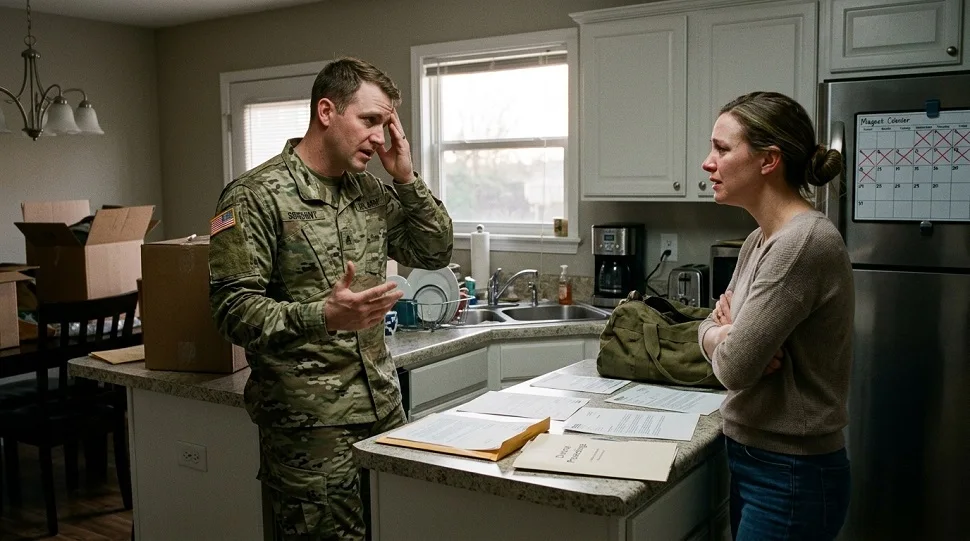
Military families frequently relocate due to permanent change of station (PCS) orders, and divorce in such a context can complicate matters significantly. One spouse may be stationed far from their former spouse and children, raising questions about whether the service member can be ordered to remain in a particular location for custody or visitation purposes.
Relocation and Custody Orders
Washington law provides protections when a parent intends to relocate, but military families need additional provisions to account for the frequent relocations that accompany military service. Key considerations include:
- Whether the service member can reasonably refuse PCS orders to maintain custody arrangements (generally, they cannot);
- How custody schedules will work when parents live in different states or countries;
- Transportation responsibilities for visitation;
- Communication schedules when in-person visitation isn't possible.
Courts must balance the service member's obligation to follow orders with the child's need for stability and meaningful relationships with both parents. Military families often benefit from detailed relocation clauses in their parenting plans that address various scenarios.
Base Housing Considerations
If the family lived in base housing during the marriage, the non-military spouse typically must vacate within a specified timeframe after divorce. This can create housing instability for the custodial parent if they're the non-military spouse, requiring advance planning and resources.
Jurisdiction and Legal Complications
Determining which state has jurisdiction over a military divorce can be complicated when the service member is stationed in one state, the spouse lives in another, and they consider yet another state their legal residence.
Establishing Jurisdiction
Generally, you can file for divorce in:
- The state where either spouse has legal residency (domicile);
- The state where the service member is stationed, if they've established residency there;
- The state where the non-military spouse resides.
The Servicemembers Civil Relief Act affects how military members can be sued and provides protections against default judgments. Military members may be able to delay divorce proceedings if they're deployed or on active duty in a way that prevents them from participating.
Dealing with High-Conflict Military Divorces
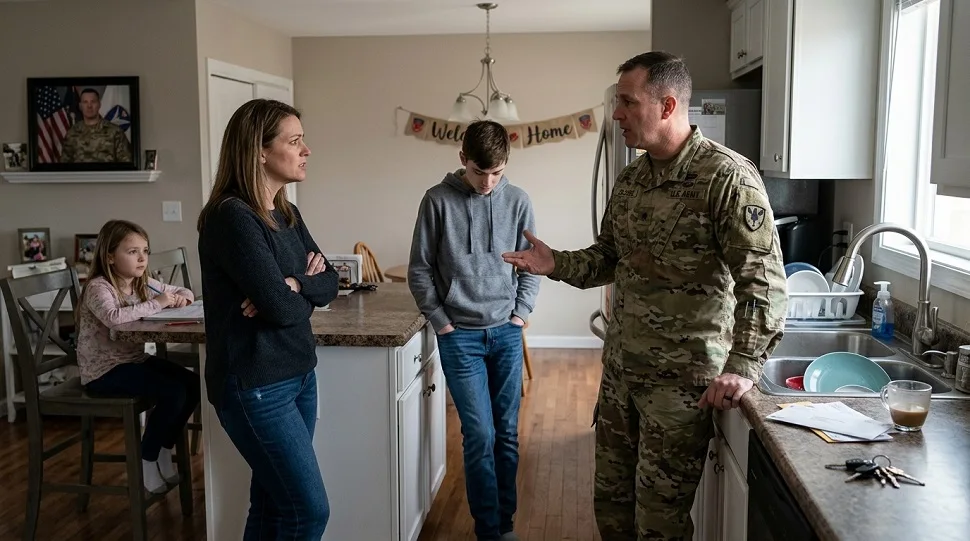
Divorces involving military families can become particularly contentious when there are accusations of infidelity, domestic abuse, or other high-conflict issues. These situations may require more attention and advanced legal strategies to resolve, particularly when one party is deployed or stationed abroad.
Alternative Dispute Resolution
Mediation and alternative dispute resolution are often recommended to help resolve these issues before heading to trial. Benefits of mediation in military divorces include:
- Flexibility to accommodate deployment schedules;
- Privacy regarding sensitive military information;
- Faster resolution than court proceedings;
- More control over outcomes for both parties.
However, mediation may not be appropriate in cases involving domestic violence or situations where there's a significant power imbalance between parties.
Military-Specific Legal Resources
Military members have access to legal assistance offices on base that can provide guidance on divorce matters. However, these attorneys cannot represent service members in court and cannot provide advice to both spouses due to conflicts of interest.
Key Differences: Military vs. Civilian Divorces
To summarize, military divorces involve unique legal challenges that civilian courts often overlook:
- Pension and benefits division: Different rules apply to military pensions, survivor benefits, and the calculation of marital property based on military service.
- Custody and visitation: Deployments, relocations, and unpredictable schedules require flexible arrangements that account for military obligations.
- Support calculations: Military pay includes allowances and special pays that civilian courts may not properly factor into support orders.
- Healthcare benefits: Former spouses may lose TRICARE unless they meet specific length-of-marriage and service requirements.
- Jurisdiction issues: Multiple state connections can complicate where to file and which state's laws apply.
- Federal protections: The SCRA and USFSPA provide protections and guidelines that don't exist in civilian divorces.
Protect Your Rights in a Military Divorce
Hodgson Law Office has significant experience helping military families work through these complex issues and ensuring fair treatment for all involved. Contact us today for a consultation and take the next step toward resolution.
Worried About Fair Treatment in Your Military Divorce?
Hodgson Law Office understands the complexities military families face and can help ensure your rights are protected through every stage of the divorce process.
FAQ