-min%20(1).svg)
Verbal abuse can inflict deep emotional wounds that are just as damaging as physical harm. When threatening words or psychological manipulation from a spouse, domestic partner, or family member create fear and distress at home, taking legal action becomes necessary to protect yourself and your children.
Our Spokane domestic violence attorneys handle family law cases involving verbal harassment and emotional abuse from spouses, co-parents, and other family members. Whether you're facing threats during divorce proceedings, dealing with an abusive domestic partner in a custody dispute, or need protection from verbal harassment at home, we can help you obtain legal protection under Washington State law.
What Qualifies as Verbal Abuse in Family Law Cases?

Verbal harassment and emotional abuse take many forms when they occur between spouses, intimate partners, or family members in Washington. State law recognizes these behaviors as domestic violence under RCW 7.105.010, which defines domestic violence to include unlawful harassment and coercive control that often manifests through verbal abuse at home.
Common Forms of Verbal Harassment Between Family Members
Verbal abuse that may qualify for a restraining order in family law cases includes various patterns of threatening and controlling behavior directed at spouses, domestic partners, or other family members living in the victim's home.
- Threatening language: Direct or implied threats to harm you, your children, or your property that create a reasonable fear of physical harm.
- Constant criticism: Repeated insults designed to damage self-esteem and create low self-esteem over time.
- Intimidation tactics: Yelling, screaming, or aggressive confrontations intended to control behavior through fear.
- Psychological manipulation: Using words to gaslight, confuse, or make you question reality and your own perceptions.
- Name-calling and humiliation: Regular use of degrading language to diminish dignity in front of children or friends.
- Verbal coercion: Forcing compliance through threats, ultimatums, or verbal pressure that limits personal autonomy.
These forms of verbal harassment often escalate and may indicate immediate danger requiring legal protection through the court system.
Coercive Control Patterns
Washington recently added "coercive control" to its domestic violence definition under RCW 7.105.010(4)(a). This pattern of behavior creates emotional or psychological harm while unreasonably interfering with personal liberty in family relationships.
- Financial control: Restricting access to money or preventing employment to maintain financial dependence on the abuser.
- Social isolation: Limiting contact with friends and family through verbal demands, accusations, and controlling behavior.
- Constant monitoring: Ongoing surveillance and questioning about whereabouts through phone calls and text messages.
- Verbal threats: Using threatening language to maintain power and control over daily decisions and behavior.
- Systematic attacks: Repeated verbal assaults designed to erode self-confidence and create psychological dependency.
- Isolation pressure: Verbal manipulation to separate the victim from support systems and resources.
Courts evaluate whether these patterns demonstrate domestic violence warranting protection orders. Collecting evidence that documents your mistreatment can bolster your case.
Single Incidents Requiring Immediate Protection

While most protection orders require repeated harassment, certain single incidents create immediate danger that warrants temporary restraining orders. A single threat of violence may qualify for legal protection if it involves a malicious and intentional threat under criminal law that would cause reasonable fear, or if the abuser displays a firearm or other weapon during the threat to emphasize the danger.
Types of Protection Orders for Verbal Harassment
Washington State provides several forms of legal protection when verbal abuse occurs in family relationships, each designed to address different circumstances and relationships between the abuser and victim.
Domestic Violence Protection Orders
Domestic violence protection orders (DVPOs) represent the most common protection when abuse occurs between intimate partners or family members.
These orders last up to one year or longer if renewed, address emotional abuse and threats of physical harm, prohibit contact through phone calls or text messages, and require the abuser to maintain distance from your home, workplace, and children's school.
Temporary Restraining Orders in Divorce Cases
Temporary restraining orders can be issued as part of divorce, legal separation, or parenting plan proceedings under RCW 26.09.060.
- Filing timing: Can be requested when filing court papers for divorce or separation to address immediate safety concerns.
- Expedited process: May be granted the same day by a judge after reviewing your petition without requiring the other party's presence.
- Contact restrictions: Prohibit your spouse from contacting you or coming to the family home during divorce proceedings.
- Duration: Remain in effect throughout the divorce process to ensure ongoing safety and prevent harassment.
- Permanent provisions: Can become permanent provisions in the final divorce decree based on evidence and circumstances.
These restraining orders integrate with other family law matters being decided by the court.
Other Protection Options
Stalking protection orders apply when someone repeatedly harasses or follows you through phone calls, messages, or unwanted visits that cause fear or emotional distress.
Anti-harassment protection orders address harassment that serves no legitimate purpose but causes substantial emotional distress, and can be used when the abuser doesn't qualify as a family member or intimate partner under domestic violence law.
#cta_start
Get Protection from Verbal Harassment
Verbal abuse from spouses or family members requires swift legal action. Our Spokane attorneys can help you file for protection orders and address custody concerns.
#cta_end
How Verbal Abuse Affects Child Custody
Verbal harassment between family members creates serious consequences for child custody arrangements and divorce proceedings in Washington courts.
Custody Restrictions for Abusive Parents
Washington courts prioritize children's safety when verbal abuse occurs in family relationships. Under RCW 26.09.191, courts may restrict custody or visitation rights when a parent's verbal abuse adversely affects the child's well-being, even if the abuse wasn't directed at the children but occurred in their presence at home.
- Restrictions on decision-making authority: Courts award sole custody to the non-abusive parent when verbal abuse demonstrates an inability to co-parent effectively.
- Supervised visitation requirements: Contact with children is monitored by a third party to ensure safety during visits.
- Limited parenting time: Courts reduce time with children based on abuse findings and the severity of verbal harassment.
- Continuing restraining orders: Protection orders remain in effect beyond divorce finalization to maintain protection for victims and children.
These restrictions protect children who witness verbal abuse and aim to prevent further emotional harm from exposure to threatening behavior.
Documenting Verbal Abuse for Court
Courts consider multiple forms of evidence when evaluating verbal abuse claims during divorce or custody proceedings, and building a strong case requires documenting the harassment through various means.
- Text messages, emails, or voicemails: Digital communications containing threatening or harassing language that demonstrates the pattern of abuse over time.
- Victim and witness testimony: Statements from victims and witnesses about the verbal abuse and its emotional impact on family members.
- Police reports: Official documentation of verbal altercations or threats that required law enforcement intervention.
- Mental health records: Records from counselors or therapists treating abuse-related trauma and its effects on mental health and well-being.
- Previous protection orders: Documentation of prior protection orders showing a history of abusive behavior and ongoing harassment.
- Child impact testimony: Statements about the emotional impact on children who witness the abuse at home.
Proper documentation helps the judge determine appropriate custody restrictions and protection measures.
Process to Obtain a Restraining Order
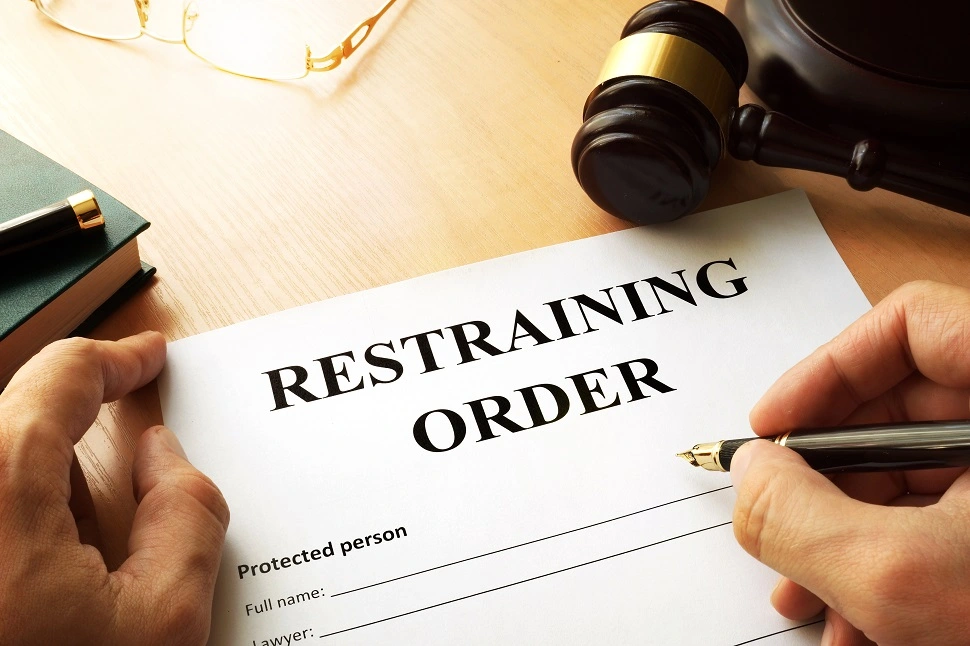
Securing a protection order involves filing court papers, attending a court hearing, and working with law enforcement. An experienced attorney can make sure that your petition includes the necessary details and evidence to help convince the judge that protection is warranted.
Filing Your Petition
File a petition with your county court, providing specific details about verbal harassment incidents, including dates, witnesses, and your relationship to the abuser.
If the judge finds "irreparable injury" or immediate danger, the court will issue a temporary order lasting 14 days until a full hearing. An attorney can help you present the strongest possible case and prepare compelling evidence.
The Full Court Hearing
After the respondent receives notice of the temporary order, both parties attend a court hearing where the judge evaluates evidence and testimony to determine whether permanent protection is necessary.
- Burden of proof: The person requesting protection must prove their case at the hearing by demonstrating a pattern of verbal abuse.
- Evidence presentation: Evidence shows that verbal abuse occurred and created substantial emotional distress through documentation and testimony.
- Purpose evaluation: Testimony demonstrates that the harassment serves no legitimate purpose and is designed to intimidate or control.
- Judicial determination: The judge determines whether behavior warrants continued legal protection based on all evidence presented.
- Order duration: If granted, a permanent restraining order typically lasts one year and can be renewed before expiration.
Courts in most counties follow this standard process, though specific local rules may vary slightly regarding scheduling and procedures.
Violations and Enforcement
Violating a protection order carries serious criminal consequences under Washington law that can result in jail time, even when the violation involves only verbal contact through phone calls or text messages.
Criminal Penalties for Order Violations
RCW 7.105.450 establishes that violating protection order provisions is a gross misdemeanor, requiring law enforcement officers to arrest without a warrant when they have probable cause.
- Immediate arrest: Law enforcement makes arrests without delay when violations occur, even for verbal contact that breaches no-contact orders.
- Jail time: Courts can impose jail sentences up to 364 days for a gross misdemeanor conviction, depending on violation severity.
- Financial penalties: Fines up to $5,000 that courts impose as punishment and a deterrent against future violations.
- Enhanced restrictions: Additional protection order provisions that strengthen restrictions on the abuser's behavior and contact.
- Mandatory court appearance: Respondents must appear before a judge within one judicial day after arrest to determine bail and conditions.
These penalties apply regardless of whether the violation involves physical contact or only verbal harassment.
Steps to Report Violations
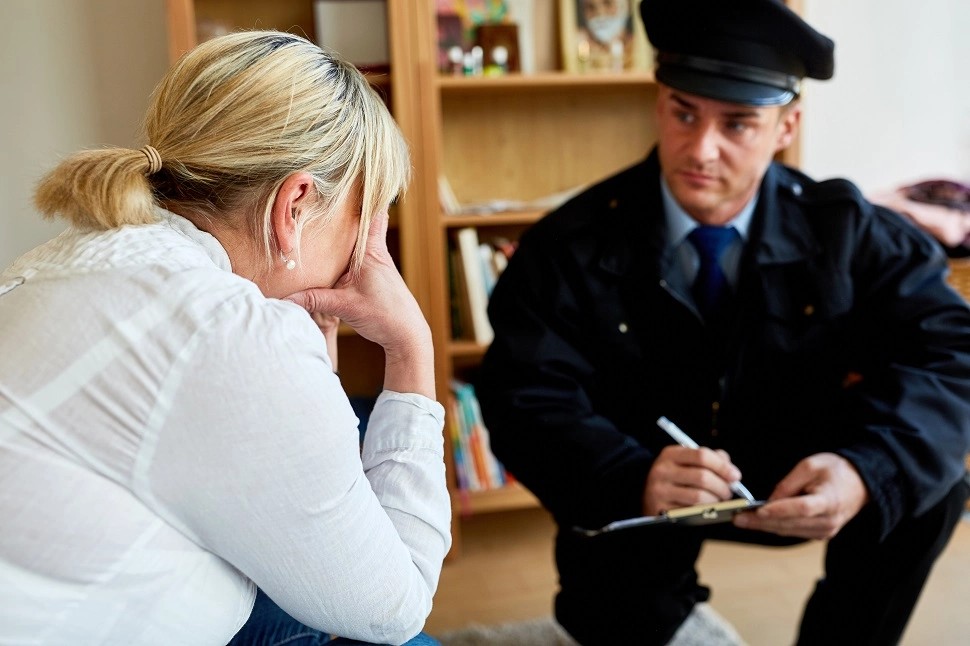
Contact law enforcement immediately to report the violation. It’s important to keep all evidence, including voicemails, text messages, and emails. Document each violation with specific times, dates, and circumstances. You can also gather witness statements if others observed the harassment. Take screenshots of social media violations.
If the response from law enforcement is not enough to protect you when you report the violation, you can file for contempt proceedings. Your safety should be the highest priority.
Support Resources in Spokane
Multiple organizations provide support for individuals experiencing verbal abuse and family violence in Washington State, offering crisis intervention, safety planning, and legal assistance.
- YWCA of Spokane 24-Hour Helpline: Call (509) 326-2255 for crisis support and information about protection orders for victims facing immediate danger from verbal harassment or threats.
- National Domestic Violence Hotline: Contact 1-800-799-7233 for confidential support and connections to local resources across different states.
- Washington Courts protection order information: Visit for forms, instructions, and guidance for filing protection orders in most counties.
- Northwest Justice Project: This organization provides free legal assistance for eligible individuals who cannot afford private attorneys to represent them in protection order cases.
- YWCA Legal Advocacy Program: This program offers support through the legal process, including help with court hearings and understanding protection order procedures.
These resources can help you understand your legal options, prepare court papers, and connect with local support services to ensure your safety.
Take Action Against Family Verbal Abuse
Verbal harassment and emotional abuse in family relationships can escalate and cause lasting harm to both you and your children. Washington State law provides multiple avenues for protection, recognizing that words can be weapons when used to threaten, intimidate, and control family members at home.
Hodgson Law Office has served Spokane families for nearly 20 years, providing compassionate legal representation in domestic violence and family law matters. Our team handles protection order cases, divorce proceedings, custody disputes, and all related family law issues.
We serve clients throughout Spokane County, Stevens County, Lincoln County, and Adams County. Contact us today to schedule a 30-minute consultation for $300 and learn how we can help protect your family from verbal abuse.
FAQ